Personalised Vastu Report by Date of Birth — What You Actually Receive
A consultation is a conversation, and conversations fade.
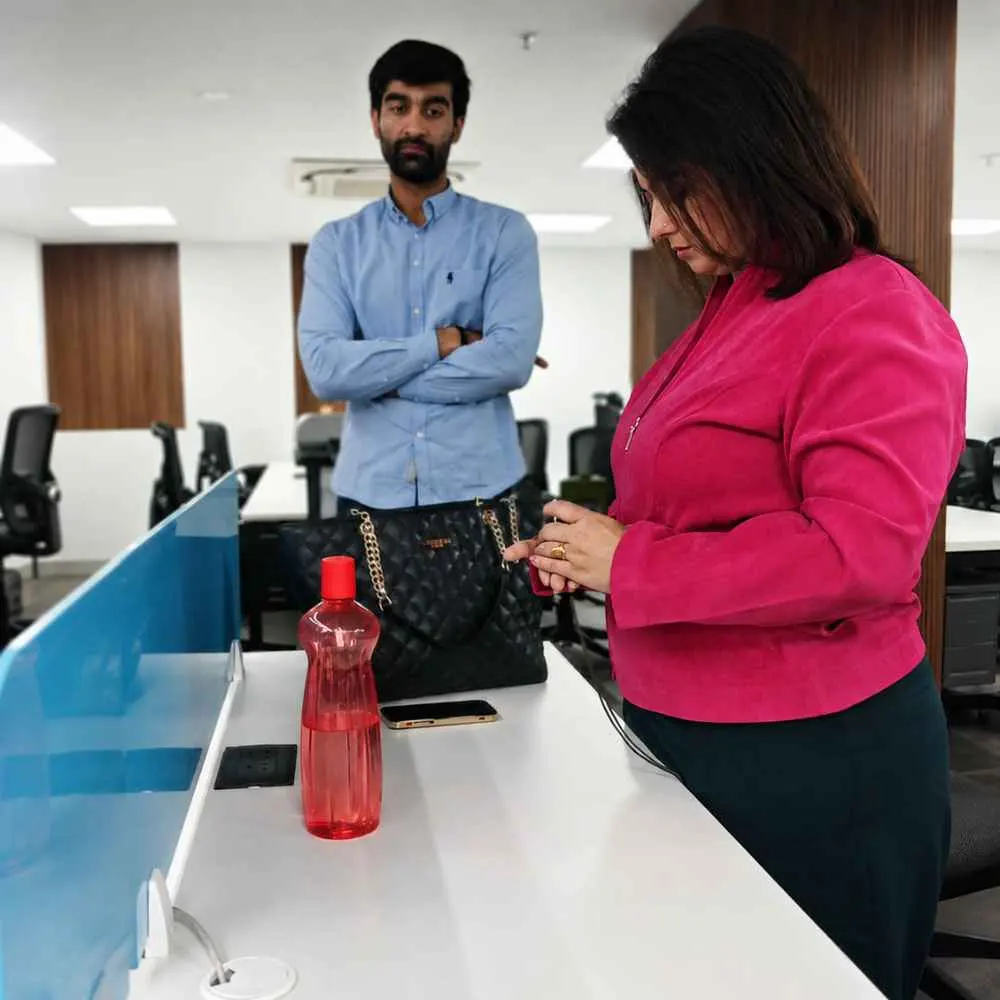
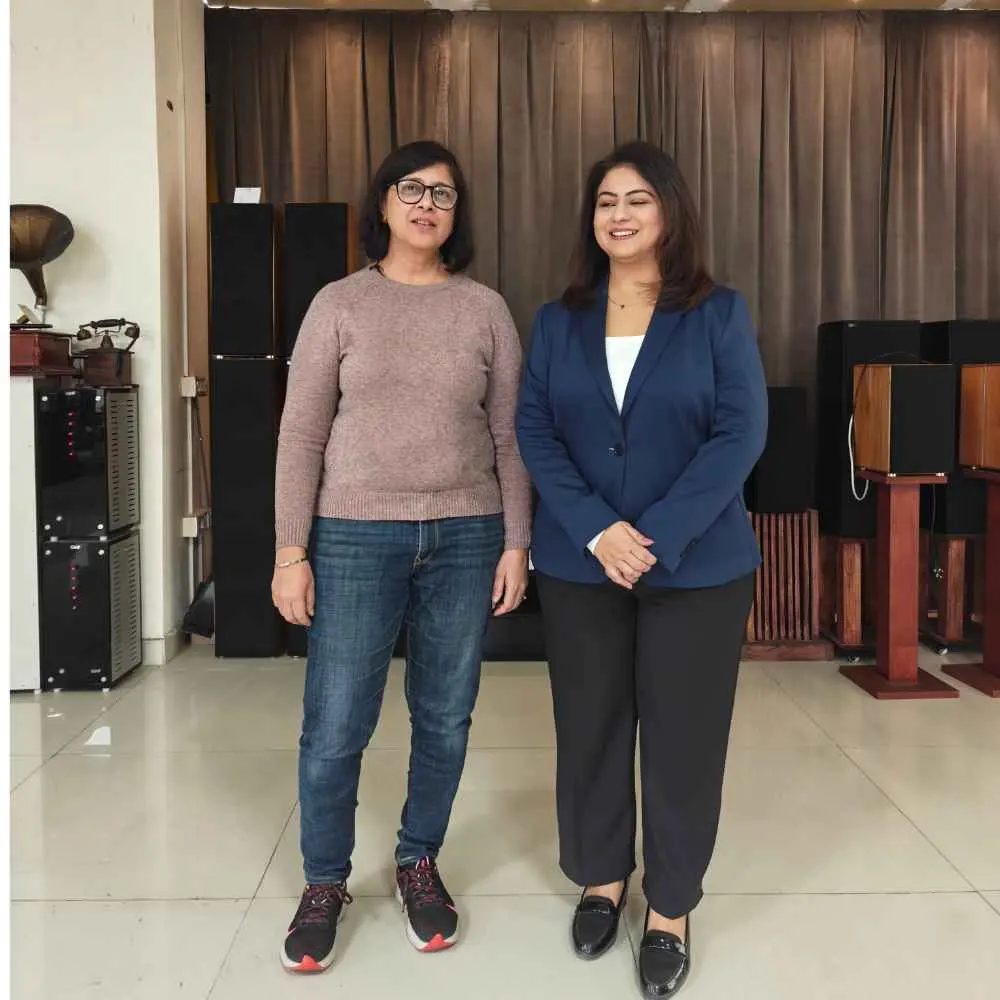
A consultation is a conversation, and conversations fade. A week later the family remembers three things out of fifteen, disagrees about what was said, and nothing gets done. A written report solves that. This is a document built specifically for your property and your birth chart — your favourable and unfavourable directions, a zone-by-zone assessment of the actual space, prioritised corrections in the order they should be done, sleeping direction and room allocation, and the reasoning behind each recommendation so the household understands rather than merely complies. Prepared by Kkomal Vasisht, an award-winning Vedic astrologer and IAF-certified Vastu consultant with 15+ years of practice and 15,000+ clients guided, it is delivered digitally wherever you are, and it remains yours to return to. Reports are prepared for clients across India and worldwide, with in-person site visits available across Greater Noida and Delhi NCR.
What You’ll Learn
- Why a Written Report Rather Than Only a Conversation
- What the Report Actually Contains
- The Part Most Reports Leave Out
- What You Need to Provide
- Why the Compass Reading Deserves Care
- Report or Live Consultation — Which Suits You
- Reports for Property You Are Considering Buying
- Reports Before a Renovation
- How to Actually Use the Report
- What a Report Cannot Do
- How Long a Report Takes to Prepare
- What Happens After the Report
- Common Mistakes People Make With Reports
- Myths Worth Clearing Up
- Reports for Clients Abroad
- Who a Report Suits, and Who Should Choose Something Else
- FAQs
- Get Your Consultation
At a Glance
- A personalised Vastu report is a written document combining your birth chart with the actual layout of your property.
- It contains your favourable and unfavourable directions, zone-by-zone findings, and corrections listed in priority order.
- It requires your date, time and place of birth plus a floor plan, photographs and a compass reading.
- It covers sleeping direction, room allocation, placement and non-structural corrections — not demolition instructions.
- A report suits families who want something to act on over months; a live consultation suits those with one urgent question.
- It is guidance you can implement at your own pace, not a guarantee of any outcome.
Are You Facing These Problems?
- You had a consultation and cannot now remember most of what was said.
- Different family members remember different advice and nobody agrees on what to do.
- You want something written that you can work through gradually rather than all at once.
- You are planning a renovation and want documented guidance before the work starts.
- You want to understand the reasoning, not just receive a list of instructions.
- You live abroad and the property is in India, or the reverse.
- You want a second, documented opinion on advice you have already been given.
Why a Written Report Rather Than Only a Conversation
The practical case for a document is stronger than most people expect, and it has little to do with formality.
Vastu corrections are not done in a day. A household works through them over weeks or months — clearing a zone one weekend, changing a bed direction the next, repainting a room the following month. A conversation cannot survive that timeline. Details blur, the order gets lost, and the corrections that mattered most are often the ones forgotten first.
There is also the family problem. In most households more than one person needs to agree before furniture moves or a room changes hands. A document gives everyone the same information with the reasoning attached, which settles far more disagreements than one member relaying what they think was said.
And it holds its value. Two years later, when you renovate or move a room around, the report is still there and still accurate about your chart, because your favourable directions do not change.

What the Report Actually Contains
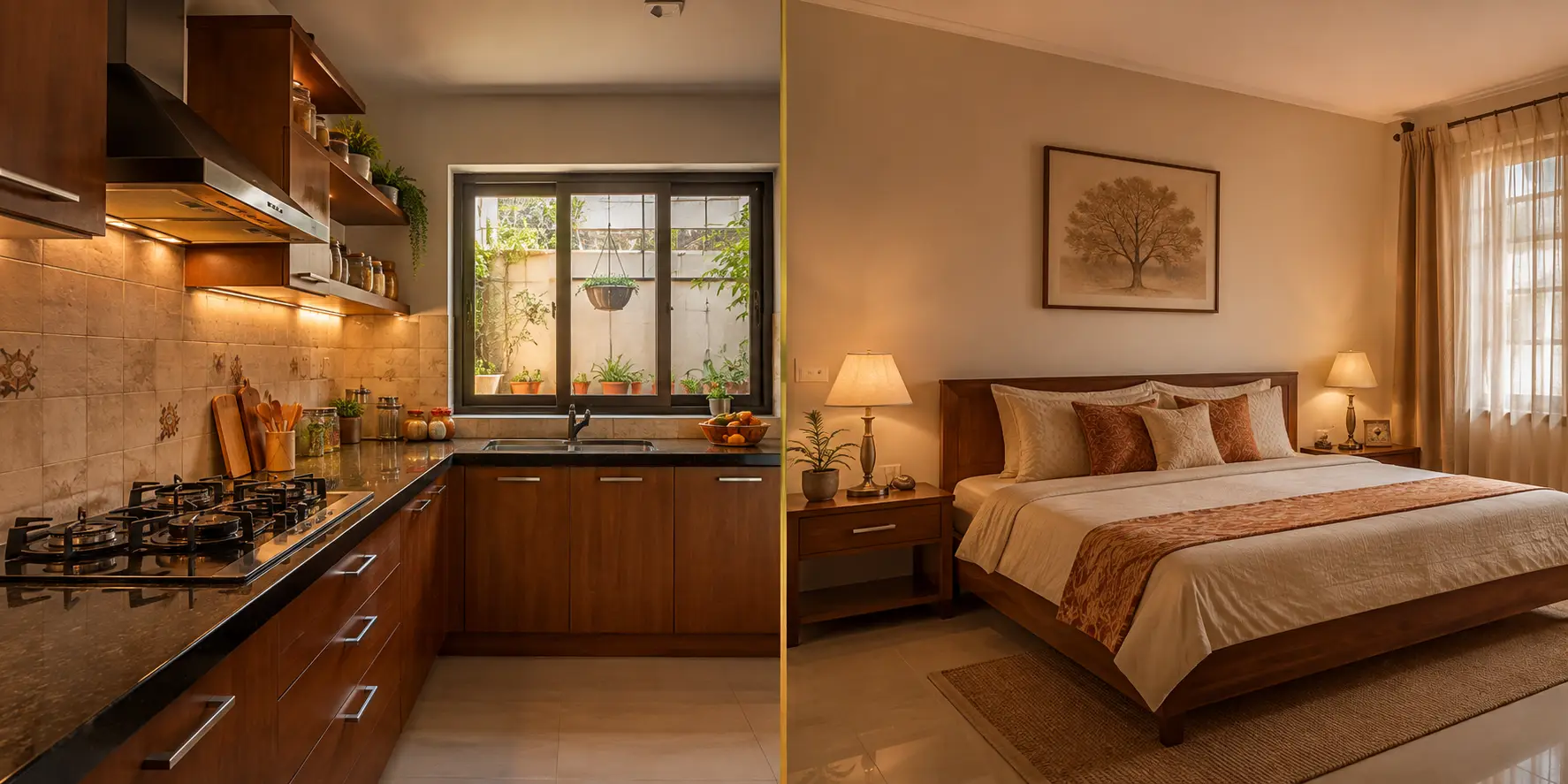
A report that is genuinely useful has a specific structure. Here is what is in one and why each part exists.
| Section | What It Covers | Why It Matters |
|---|---|---|
| Your directional profile | Favourable, neutral and unfavourable directions from your chart | Everything else follows from this |
| Property orientation | Facing direction, compass degrees, plot and layout shape | Establishes the zone map accurately |
| Zone-by-zone assessment | All eight directions as they actually are in your property | Separates real findings from assumed ones |
| Prioritised corrections | An ordered list, free and immediate items first | Turns twenty findings into three things to do |
| Sleeping direction | Head direction for each analysed member | Highest-impact zero-cost correction |
| Room allocation | Who occupies which room and why | Settles the most contested household decision |
| Placement guidance | Desk, safe, stove, storage and heavy furniture | Practical, actionable detail |
| What to leave alone | Findings not worth acting on for you | Prevents wasted effort and money |
The Part Most Reports Leave Out
That last row deserves its own section, because it is what separates a useful report from an intimidating one.
Any property assessed thoroughly produces a long list of findings. Every home has something — a cut corner, a slightly off entrance, a bathroom in an imperfect place. A report that lists all of them without comment leaves a family anxious and paralysed, which is the opposite of helpful.
A good report explicitly separates the findings worth acting on from those that are not. Some defects are minor. Some would require structural work disproportionate to the benefit. And some relate to directions ruled by planets that are not particularly significant in your chart, which means the effort is better spent elsewhere.
Telling you what to ignore is as valuable as telling you what to fix, and it is the section most likely to be missing from a report designed to sell follow-up work.

What You Need to Provide
A report is only as accurate as the inputs, and gathering these properly takes about half an hour.
- Birth Details
Date, time and place of birth for the head of the household, and for any member with a specific concern being addressed.
- Floor Plan
The builder plan if you have it, or a hand-drawn sketch with rough measurements. A neat sketch is genuinely sufficient.
- Compass Reading
Taken at the centre of the property facing the main entrance, with phones and steel furniture kept away. Note the actual degrees.
- Photographs
Each room, the entrance, the kitchen, the bathrooms, and any corner that feels heavy or unused.
- Your Concerns
What actually prompted this — sleep, career, money, a family member struggling. The report is shaped around these.
- Constraints
Whether the property is rented, whether renovation is planned, and what genuinely cannot change.
Why the Compass Reading Deserves Care
If one input is worth doing properly it is this one, because every zone in the report is built on it.
Stand at the centre of the property, face the main entrance, hold the compass flat and keep phones, laptops, steel almirahs and electrical panels well away — all of them pull the needle noticeably. Take the reading two or three times from slightly different spots in the central area. If the numbers agree within a few degrees, you have a reliable reading. If they swing wildly, something nearby is interfering and you should move and try again.
Record the actual number rather than a description. A property facing 38 degrees and one facing 62 degrees might both be loosely described as north-east, but they are assessed differently. Sending a photograph of the compass in position along with the number removes the single most common source of error in a remote report.
Report or Live Consultation — Which Suits You
Both are legitimate and they suit different situations. Here is the honest comparison rather than a push toward the more expensive one.
| Written Report | Live Consultation | |
|---|---|---|
| Best for | Working through corrections over months | One urgent or specific question |
| Family agreement | Everyone reads the same document | Depends on who was present |
| Follow-up questions | Limited to clarification | Answered in the moment |
| Renovation planning | Documented, referable during work | Harder to reference later |
| Speed | Prepared over a few days | Immediate |
| Long-term value | Still accurate years later | Fades from memory |
Reports for Property You Are Considering Buying
This is one of the most genuinely useful applications, because it informs a decision you make once and live with for years.
Before a purchase or a long lease, a report can assess the property against your chart: the facing direction, the entrance position, the plot shape, whether the north-east is usable, whether the south-west is solid, and which zones fall where relative to your favourable directions. Where you are choosing between two options, both can be assessed and compared.
The honest caveat matters here as much as anywhere. Location, budget, construction quality, legal clearance and commute should drive a property decision. A Vastu report is a useful additional input and a good tiebreaker between comparable options — it is not a reason to buy a poorly located or overpriced property because the facing direction suits you. Anyone using Vastu to push a purchase in either direction is misusing it.
Reports Before a Renovation
Renovation is the one moment when structural corrections become genuinely available, and it is worth using properly.
Most of the time Vastu guidance is deliberately non-structural, because breaking walls for a defect is disproportionate. But if walls are already coming down and plumbing is already being moved, corrections that would never otherwise be worth the cost suddenly become almost free — shifting a doorway a few feet, relocating a bathroom that was going to be redone anyway, opening up a blocked north-east.
A report prepared before the work starts lets the architect or contractor incorporate these while planning, rather than being asked to change things halfway. This is the single situation where the advice will legitimately include structural suggestions, and it is worth getting the report early rather than after the drawings are finalised.
How to Actually Use the Report
A report that sits in a folder helps nobody, and how families use it makes more difference than what is in it.
Start at the top of the priority list and do the free items first — clearing, cleaning, changing a sleeping direction, moving furniture. These cost nothing, can be done this weekend, and often produce the most noticeable change in how the home feels.
Work through one item at a time rather than attempting everything at once. A household that changes eight things in a weekend learns nothing about which mattered; three changes spaced a few weeks apart produce information as well as results.
Share it with the family rather than acting alone. Most corrections involve rooms other people use, and the reasoning in the report is what usually turns an argument into an agreement.
And revisit it. Six months later, having done the first few items, the rest reads differently — and things that seemed impractical at the time are often easy by then.
What a Report Cannot Do
This belongs in the body of the page rather than in small print at the bottom.
It cannot diagnose or treat anything medical — that belongs with a doctor, always, and no correction substitutes for treatment. It cannot resolve relationship difficulties, which have causes far beyond direction. It cannot guarantee career movement, business growth or financial change, all of which are shaped by effort, decisions and circumstances the report has no access to.
What it can do is narrower and still worth having: it identifies where the space itself is contributing friction, it tells you which corrections are worth your effort and which are not, and it replaces guesswork with reasoning you can follow. Families frequently say the most useful part was simply understanding why something had felt wrong — not because a correction transformed anything, but because the situation stopped feeling arbitrary.
Set your expectations there and a report is genuinely useful. Set them at guaranteed transformation and it will disappoint, as it should.
How Long a Report Takes to Prepare
Families planning around a move or a renovation ask this early, so it is worth being concrete.
Once all the inputs are in hand — birth details, floor plan, compass reading and photographs — a report typically takes a few working days. The chart analysis comes first, then the zone mapping against the actual layout, then the prioritisation, which is the part that takes the most thought and adds the most value.
What usually delays a report is not the preparation but the inputs. Compass readings arrive without a degree number, floor plans arrive without which side faces the entrance, or photographs miss the corners that matter most. Getting these right the first time is the difference between a few days and a fortnight of back and forth.
If you are working to a deadline — a possession date, a renovation start, a muhurat already fixed — say so upfront. Reports can be prioritised, and it is far better to know the timeline in advance than to discover it does not fit after the fact.
What Happens After the Report
A report is the beginning of the work rather than the end of it, and knowing what follows helps you plan.
Most families implement the free corrections within the first week or two, since these need nothing but effort. The items involving small purchases — colour, a plant, a light, a copper strip — typically follow over the next month. Anything involving furniture movement or room reallocation tends to happen when the household can coordinate it, which is often a weekend or a holiday.
Clarification questions are normal and expected. A report is written to be understood, but properties are specific and a family will reasonably ask how a recommendation applies to their particular corner or their particular constraint. That is part of the service rather than an extra.
What is genuinely not needed is a follow-up report a few months later. Your favourable directions have not changed, the property has not changed, and the original document still stands. A fresh report becomes relevant when the property itself changes — a renovation, a move, or a significant reallocation — not on a schedule. Anyone suggesting annual reports is selling a subscription rather than responding to a need.
Common Mistakes People Make With Reports
Most of these are about how a report is used rather than what it contains.
Myths Worth Clearing Up
A few assumptions about reports are worth correcting before you commission one.
| Common Belief / Myth | Practical Reality |
|---|---|
| A longer report is a better report. | A report listing every possible finding without priority leaves families paralysed. Ordering and a clear leave-alone section matter far more than length. |
| A report requires a site visit to be accurate. | With a good floor plan, careful compass reading and photographs, a remote report is fully accurate. Site visits help with feel, not with the mapping. |
| The report will tell me to demolish things. | Guidance is deliberately non-structural unless you are already renovating, in which case structural options become worth including. |
| A report guarantees results if I follow it. | It reduces friction the space contributes and tells you where to spend effort. Outcomes depend on much that a report has no access to. |
| One report covers the whole family automatically. | It is anchored to the head of the household, with additional charts included where a specific concern exists. Not everyone needs analysing. |
| A report becomes outdated quickly. | Your favourable directions do not change, so it remains accurate for years — which is why it is worth returning to when you renovate or reallocate rooms. |
Reports for Clients Abroad
A large share of reports are prepared for families living outside India, and two situations recur.
The first is a property in India while the family lives abroad — often a home being prepared for a return, or one occupied by parents. Here someone local sends the floor plan, photographs and compass reading, and the report is prepared and delivered digitally.
The second is a property abroad. Vastu principles apply identically regardless of country; the directions are the directions. What changes is the layout conventions — open-plan living, basements, attached garages and central heating are more common, and these are assessed on their own terms rather than forced into the template of an Indian flat.
In both cases the report is delivered digitally, and a video call to walk through it can be arranged across time zones, in Hindi or English.
Who a Report Suits, and Who Should Choose Something Else
It suits families intending to work through corrections gradually, households where several people need to agree, anyone planning a renovation, buyers assessing a property, and clients abroad dealing with a property remotely.
Who should choose something else: if you have one specific isolated question — a single defect, one room — a focused consultation is more proportionate and less expensive. If your property has never had any Vastu assessment and you want to understand the basics first, a general review is the sensible starting point. And if what you want is a guaranteed outcome rather than documented guidance, no report will meet that expectation, and it is better to know that now.
Frequently Asked Questions
A written document combining your birth chart with the actual layout of your property. It contains your favourable and unfavourable directions, a zone-by-zone assessment, corrections in priority order, sleeping direction, room allocation and the reasoning behind each recommendation.
Date, time and place of birth for the head of the household and anyone with a specific concern, a floor plan or neat sketch with rough measurements, a compass reading taken at the centre facing the entrance, photographs of each room, and a note of what actually prompted the request.
No. A hand-drawn sketch with rough measurements is entirely sufficient, provided it shows the rooms in correct relative position. What matters more is an accurate compass reading, since the zone mapping is built on it.
Accurate enough to trust, which means taken at the centre facing the entrance with phones, laptops and steel furniture kept away. Take it two or three times — if the numbers agree within a few degrees it is reliable. Record the actual degree number rather than just saying north-east.
A report suits families working through corrections over months, households where several people must agree, and anyone planning a renovation. A live consultation suits one urgent or specific question. A report holds its value for years; a conversation fades.
Not normally — guidance is deliberately non-structural, because demolition for a defect is usually disproportionate. The exception is when you are already renovating, in which case structural options become worth including, so mention a planned renovation upfront.
Yes, with a good floor plan, a careful compass reading and photographs. A site visit adds a sense of the feel of a space, but the directional mapping and chart analysis that the report is built on do not require one.
It is anchored to the head of the household, with additional charts included where a specific concern exists — a member sleeping badly, a child struggling to focus. A family of five rarely needs five charts, and including them all would be disproportionate.
Yes, and it is one of the more useful applications since it informs a decision you live with for years. Both options can be assessed and compared. But location, budget, construction quality and legal clearance should drive the decision — this is a tiebreaker between comparable options.
Start at the top of the priority list and do the free items first — clearing, sleeping direction, furniture moves. Work through one at a time rather than all at once, share it with the family so the reasoning settles disagreements, and revisit it every few months.
Your favourable directions do not change, so it remains accurate for years. It is worth returning to when you renovate, reallocate rooms or reconsider a correction that seemed impractical at the time.
Every property has findings, which is why the priority order and the explicit leave-alone section exist. Some defects are minor, some would need disproportionate structural work, and some relate to directions that are not significant in your chart. Read the priority list first.
Yes. Vastu principles apply identically regardless of country. What differs is layout conventions — open-plan living, basements, attached garages — which are assessed on their own terms rather than forced into the template of an Indian flat.
No. It identifies where the space itself contributes friction and tells you where your effort is worth spending. Career, money, health and relationships are shaped by much that a report has no access to, and any practitioner guaranteeing outcomes is overstating the tool.
Yes, and it is a reasonable request. A documented assessment lets you compare advice you have already received against independent reasoning — particularly useful where the earlier advice involved significant expense or demolition.
Ready to Talk This Through?
Whether you are buying a new property, renovating, or simply want a second, honest opinion — Kkomal provides accurate, no-demolition guidance tailored to your unique layout and situation, in person across Greater Noida & Delhi NCR, and online for the rest of India and abroad.
📞 +91 99531 11782 | ✉ kkomalvasisht@gmail.com
Vastu for Business Growth and Career Success — as per Your Kundli Home Vastu Check as per Your Birth Chart — Room by Room Vastu Remedies as per Your Birth Chart — Directional Activation Kundli / Birth Chart Lagna / Ascendant Nakshatra Finder