Vastu for Interiors: Furniture, Colour & Placement Guide
By the time most people think about Vastu, the house is already built.
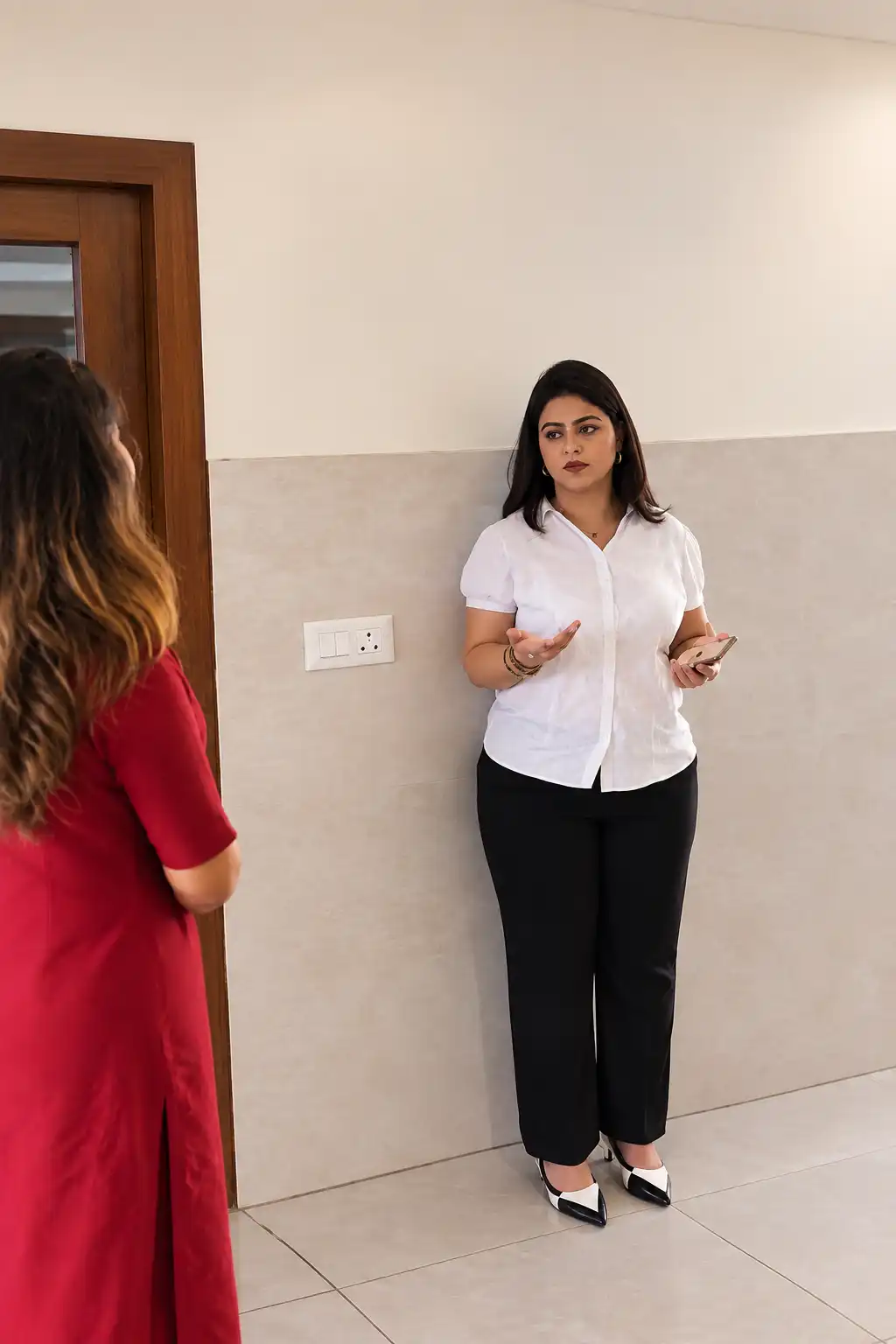
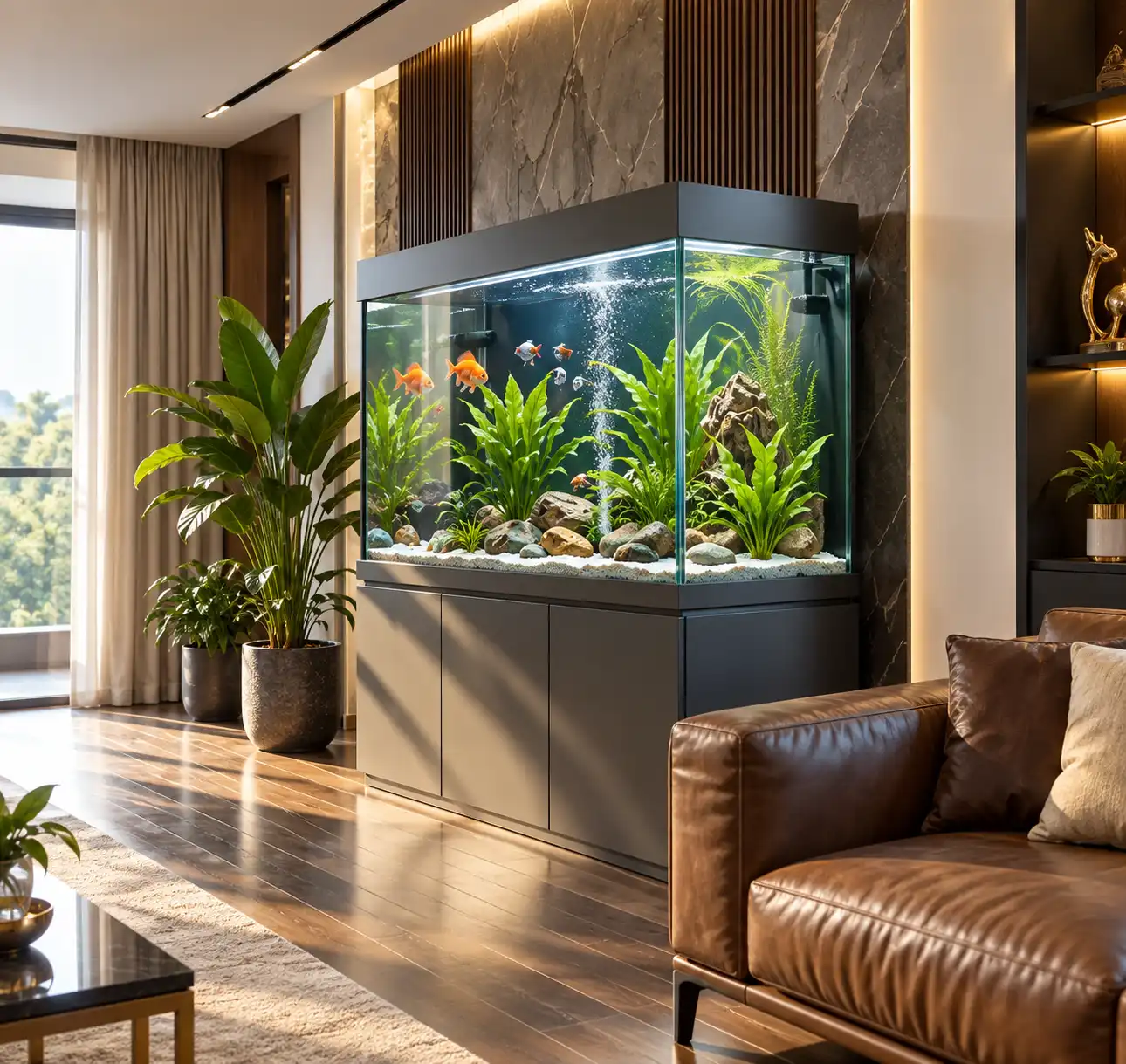
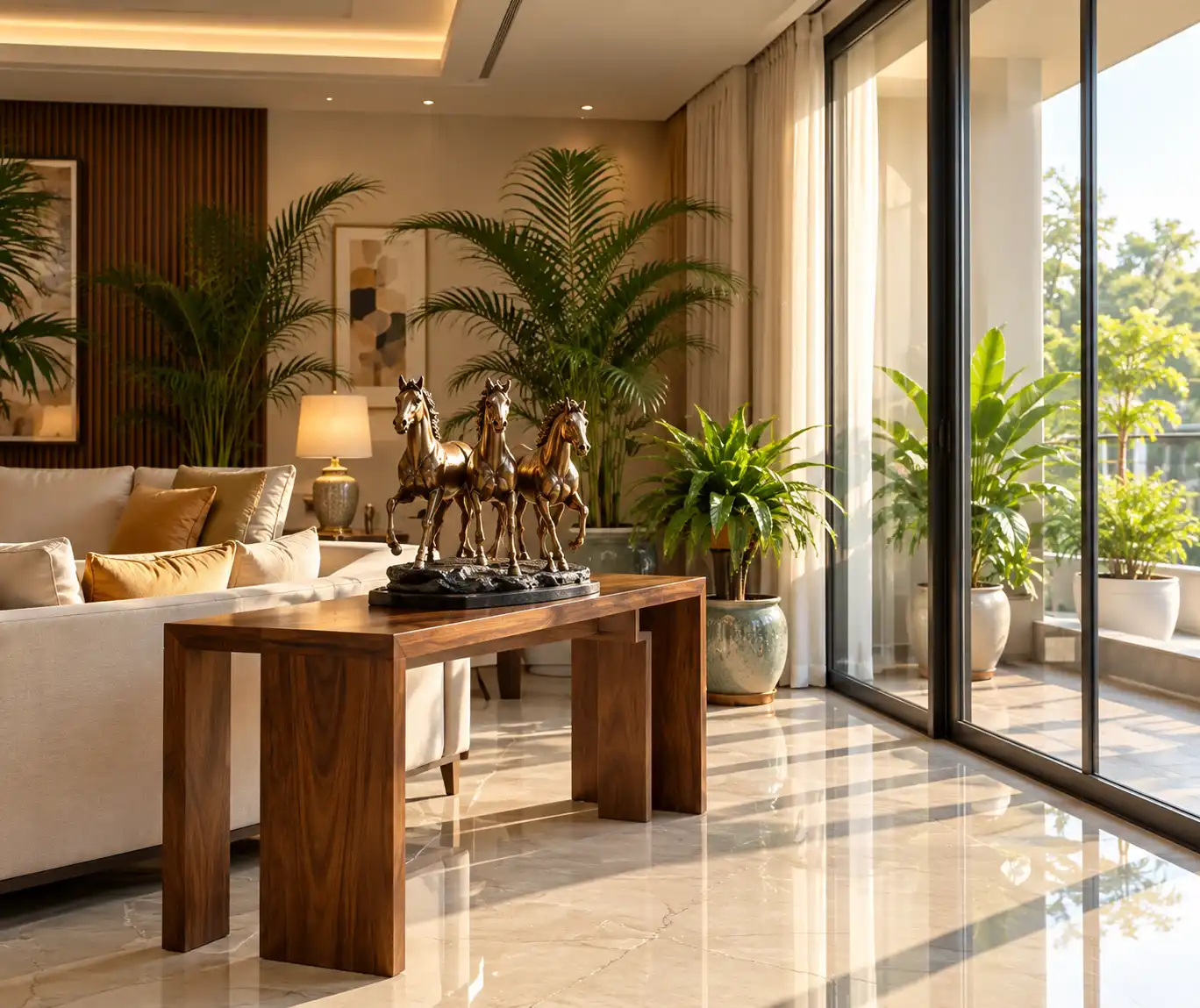
By the time most people think about Vastu, the house is already built. The walls are where they are, the bathrooms are plumbed, and the kitchen is not moving. What is still entirely open — and what most guidance skips past on its way to talking about structure — is everything inside those walls. Where the bed sits, which way the sofa faces, what colour each room carries, where the mirrors and lights and storage go. Interior guidance with Kkomal Vasisht, an IAF-certified Vastu consultant with 15+ years of practice and 15,000+ clients guided, works entirely at this level. Nothing here involves breaking, drilling or permission, which makes it equally useful for a finished home, a rented flat, or an interior project still on the drawing board. Consultations are held in person across Greater Noida and Delhi NCR, and online by video call for clients anywhere else in India or abroad.
What You’ll Learn
- Object by object: where it goes and what to avoid
- Related Vastu guides and free tools
- What Interior Vastu Can and Cannot Reach
- The Weight Principle
- Bedroom Interiors
- Living Room Interiors
- Kitchen Interiors
- Colour by Direction
- Applying Colour Without Painting
- Mirrors, Lighting and Plants
- The Clutter Question
- Working With an Interior Designer
- Common Mistakes in Interiors
- Myths Worth Clearing Up
- How an Interior Review Works
- Interior Guidance Across Greater Noida, Delhi NCR and Worldwide
- Who This Is For, and Who Needs Something Else
- FAQs
- Get Your Consultation
At a Glance
- Interior Vastu works within a fixed structure — furniture, colour, lighting, mirrors, storage and decor rather than walls and plumbing.
- The two highest-impact interior decisions are where the bed goes and where the heavy storage goes.
- Weight belongs toward the south and west; the north and east are kept lighter and more open.
- Colour by direction is the cheapest correction available, and furnishings carry it as well as paint does.
- Mirrors are placed to reflect light and open a space, and kept from facing the bed.
- Everything here is reversible and needs no landlord or society permission, so it works fully in rentals.
Are You Facing These Problems?
- Your house is built and you want to know what can still be improved from the inside.
- You are doing up your interiors and want Vastu factored in before you buy furniture.
- You rent and cannot make any permanent change.
- You have been told your bed or sofa direction is wrong and want to know what actually matters.
- You want to know which colour suits which room rather than picking from a paint catalogue.
- Your interior designer has a plan and you want it reviewed.
- You live abroad and want your interiors reviewed remotely.
Object by object: where it goes and what to avoid
| Object | Best direction or wall | Avoid | Why |
|---|---|---|---|
| Sofa | South or west wall, seating faces north or east | Back to the main door | You face the room and the entrance; this is comfort, not doctrine |
| Bed | Head to the south or east | Head to the north | The magnetic reason often given does not hold; the tradition is consistent on it, which is the honest basis |
| Television | South-east wall | Directly facing the bed in a small room | Glare and sleep, both practical |
| Mirror | North or east wall | Facing the bed or the main door | A mirror facing a bed startles people waking at night |
| Wardrobe | South or west wall | Blocking a window | Weight to the heavy side; light kept free |
| Study table | North-east, facing east or north | Facing a blank wall in a corner | Even light, and something to look up at |
| Aquarium or plants | North or east | Bedroom, directly beside the bed | Damp and noise near sleeping space |
| Shoe rack | Outside the door, or north-west inside | Puja area, kitchen | Hygiene, and nothing more complicated than that |
Related Vastu guides and free tools
What Interior Vastu Can and Cannot Reach
Being clear about the boundary makes everything else on this page more useful.
Interior Vastu cannot change where a bathroom sits, move a kitchen, alter a doorway or shift a wall. Those belong to the structure, and if you are still building, the construction guidance is the right place for them.
What it does reach is substantial and often underestimated: furniture placement and orientation, where weight and storage sit, colour on walls and in furnishings, lighting, mirrors, plants, artwork and decor, how each room is actually used, and how much of the floor is left clear. In a finished home, this is the entire remaining lever — and in practice it is where most of the noticeable change comes from anyway.
There is a reason for that. A structural defect is a fixed condition you live alongside. Clutter, a bed in the wrong orientation, a dark heavy corner and a room used for the wrong purpose are active, daily conditions — and they are the ones residents actually feel.
The Weight Principle
If you take one idea from this page, take this one, because almost every interior recommendation follows from it.
Weight belongs toward the south and south-west. Lightness and openness belong toward the north and north-east. That means the heavy wardrobe, the solid storage unit, the bookshelf loaded with books, the heavy chest — these go toward the south and west side of a room or a home. The north and east side is kept comparatively open, lower and lighter.
This single principle resolves most placement questions without needing a rule for every object. Where does the wardrobe go? Toward the south-west. Where does the low console or the plant go? Toward the north or east. Where should the empty floor be? Toward the north-east.
It also explains one of the most common findings in Indian homes, which is a north-east corner filled with storage because it happened to be out of the way. Convenience and Vastu pull in opposite directions there, and convenience usually wins by default rather than by decision.
Bedroom Interiors
The bedroom is where interior placement makes the most difference, because it is where you spend the most continuous hours.
Bed Position and Direction
Sleep with the head toward the south, with east as the other favoured option, particularly for students and for anyone wanting clarity in the morning. North is traditionally avoided for the head. The bed itself is best placed toward the south or west part of the room, with a solid wall behind the headboard rather than a window. Where the room does not permit the ideal, choose the best available option rather than forcing the bed into an awkward position that disrupts the room.
What Sits Around the Bed
Keep the space under the bed clear rather than using it for storage, which is one of the most common and most easily corrected findings. Avoid a beam running directly overhead; where one exists, shift the bed out from under it or use a false ceiling panel. Keep electronics minimal and away from the head. A mirror should not face the bed — if it does, reposition it or cover it at night.
Wardrobe and Storage
The heavy wardrobe belongs toward the south or west wall, following the weight principle. Where a mirrored wardrobe faces the bed, either turn the arrangement or choose a design where the mirror is inside the door. The north-east of the bedroom is kept as the lighter, clearer part.
Colour and Light
Bedrooms benefit from calm, muted tones rather than strong stimulating colour — soft creams, gentle greens, warm neutrals and light earth tones are commonly suggested, with the specific choice adjusted by direction. Lighting should be layered rather than a single harsh ceiling light, and warmer in the evening.
Living Room Interiors
The living room is where the weight principle is most visible, and where most homes get it accidentally right or accidentally wrong.
Heavy seating — the main sofa, the large sectional — belongs toward the south and west, with the head of the household ideally seated facing north or east. Lighter seating, single chairs and low furniture sit toward the north and east. Television and heavier electronics are traditionally associated with the south-east.
The centre of the room is traditionally kept relatively open. This is one of the few Vastu principles that most interior designers arrive at independently, because a clear centre simply makes a room work better.
The north-east corner of a living room is the one to keep light and uncluttered — a plant, a low table, floor space. It is frequently where the shoe rack or the storage cabinet ends up, and moving that is usually the highest-impact single change in the room.
Artwork carries more weight than people assume. Images conveying stagnation, sadness, conflict, decay or aggression are traditionally avoided in living areas, while scenes of nature, water, growth, sunrise and abundance are favoured. Whatever one makes of the reasoning, you look at what hangs on your walls thousands of times, and choosing it deliberately is not a bad idea.
Kitchen Interiors
The kitchen position is structural and usually fixed, but a good deal inside it is not.
The direction faced while cooking is the most cited interior element — east is the traditional preference. Where the platform does not permit it, the practical version is simply to notice which way you face and adjust where the arrangement allows.
Keep the stove and the water source from sitting directly adjacent to each other, which is a fire-and-water adjacency traditionally avoided. In a fitted modular kitchen this is often already the case; where it is not, a small rearrangement of where things are used can help.
Storage of heavy grains and provisions belongs toward the south and west, following the same weight logic as everywhere else. The refrigerator is commonly placed toward the south-west or south-east rather than the north-east.
Colour in a kitchen tends toward warm tones, and light matters — a dim, poorly ventilated kitchen is a genuine problem in any framework. Keeping the platform clear at the end of the day is a small discipline with an outsized effect on how the room feels in the morning.
Colour by Direction
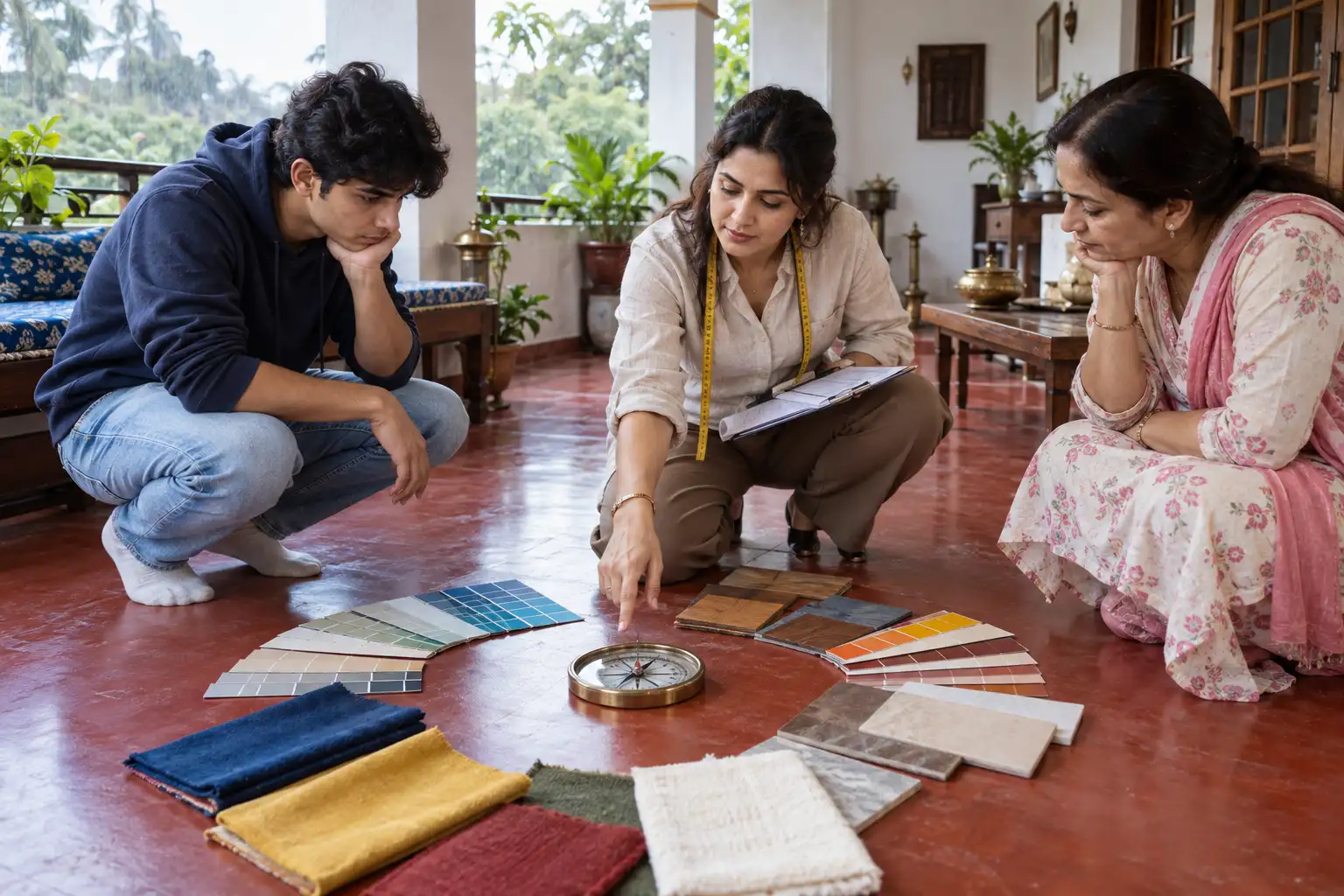
Colour is the cheapest genuine correction in Vastu and the most accessible to renters, because you do not need paint to apply it.
| Direction | Element Association | Supportive Tones |
|---|---|---|
| North-East | Water, clarity | Whites, creams, very light yellows |
| East | Air, light | Light greens, whites, soft blues |
| South-East | Fire | Warm oranges, corals, soft reds |
| South | Fire, earth | Reds, terracotta, warm earth tones |
| South-West | Earth, stability | Browns, beiges, deeper earth tones |
| West | Water, air | Whites, greys, light blues |
| North-West | Air | Whites, light greys, pale creams |
| North | Water, opportunity | Greens, light blues, soft aqua |
Applying Colour Without Painting
This deserves its own section because it is what makes colour correction available to everyone.
You do not need to repaint a wall to bring a colour into a zone. Curtains carry a great deal of colour and cover a large area. Cushions, throws and bed linen carry more than people expect. A rug changes the tone of a whole corner. A framed picture in the right palette works. Even a single well-chosen chair or a set of ceramics can shift how a zone reads.
For tenants this is the entire answer, and it is a complete one rather than a compromise. For owners it is often the sensible first step too — try the colour through furnishings, see whether the room feels different, and repaint later only if you want to commit.
The practical approach is one zone at a time. Change the furnishings in the corner or room that a consultation flagged as the priority, live with it for a few weeks, and notice. Doing every room at once tells you nothing and costs considerably more.
Mirrors, Lighting and Plants
These three come up in almost every interior consultation, so they are worth treating together.
Mirrors are used to reflect light and visually open a space, which is why they are traditionally placed on the north or east walls where they can expand the lighter side of a room. They are also the standard non-structural correction for a missing or cut corner, placed to visually complete the zone. What is avoided: a mirror facing the bed, a mirror directly facing the main entrance, and mirrors placed where they reflect clutter, since whatever they reflect is doubled.
Lighting is one of the most underrated corrections. A dark corner reads as heavy regardless of what is placed in it, and adding light to a dim north-east or a dead corner frequently changes how a whole room feels. Layered lighting — ceiling, floor lamp, task light — works better than a single overhead source, and warmer tones suit evening living spaces.
Plants bring movement and life to dull zones and are traditionally favoured toward the east and north. Healthy plants are the point; a dying or neglected plant works against the purpose, and it is better to have two thriving plants than eight struggling ones. Thorny plants are traditionally kept out of living areas, and heavy or large plants are not placed in the north-east where lightness is wanted.
The Clutter Question
It is worth saying plainly that decluttering outperforms every other interior correction on this page, and it costs nothing.
Every Vastu framework treats clutter as a genuine obstruction rather than a tidiness preference, and the practical experience of residents tends to agree. A cleared corner is noticed immediately, often by family members who were not told anything had changed.
Where it matters most: the north-east of any room and of the home overall, the space under beds, the area immediately inside the main entrance, balconies, and the tops of wardrobes and cupboards where things accumulate unseen.
The realistic approach is not a single dramatic purge that exhausts everyone and reverses within a month. It is one zone at a time, starting with whichever the consultation flagged first, and a small ongoing habit — the entrance kept clear, the platform cleared each night, the balcony not used as overflow storage.
An honest observation from practice: in a large share of homes where residents report feeling heavy or stuck, the assessment finds no dramatic structural defect at all. It finds a north-east store room, a cluttered entrance and a balcony full of things nobody uses.
Working With an Interior Designer
The same sequencing that matters during construction applies here, in a smaller way.
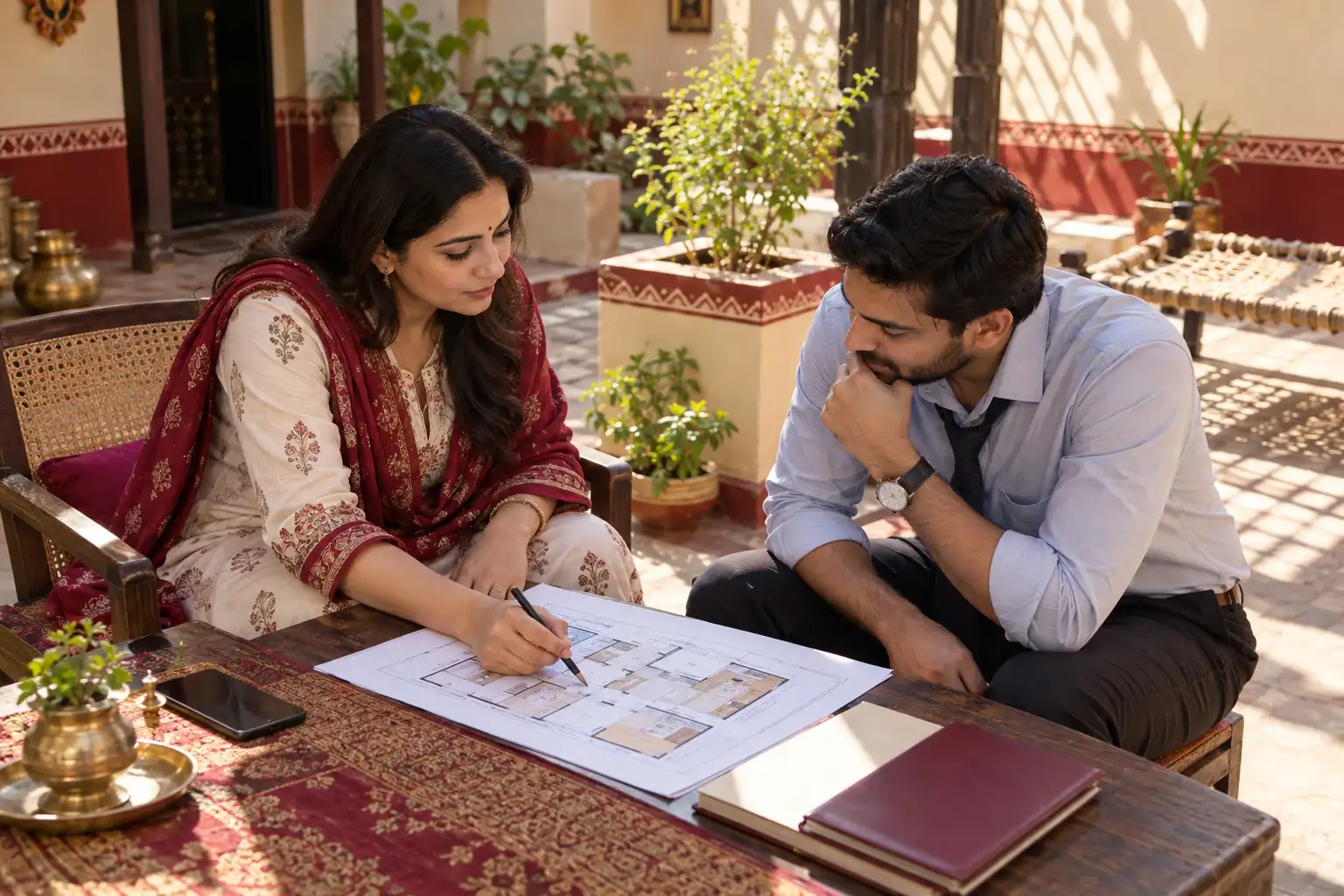
Bring the Vastu review in before the designer finalises the layout and before furniture is ordered. At the concept stage, a bed orientation or a storage position is a note on a drawing. After a fitted wardrobe is manufactured to size for a specific wall, it is not.
Most interior preferences and Vastu preferences do not actually conflict. Both want a clear centre, layered lighting, good ventilation and considered use of colour. Where they do differ, it is usually about the placement of one heavy element, and it is almost always resolvable if raised early.
The hierarchy is worth stating as well: safety, practicality and how the family actually lives come first. A bed placed in a Vastu-preferred direction that blocks a doorway or leaves no room to walk is a worse outcome than the alternative. Guidance that ignores how a room is used is not being rigorous.
Common Mistakes in Interiors
Most of these are about default choices rather than deliberate ones.
Myths Worth Clearing Up
Interior Vastu is heavily commercialised, which invites a few claims worth correcting.
| Common Belief / Myth | Practical Reality |
|---|---|
| Interior changes are cosmetic and do not really count. | In a finished home they are the entire remaining lever, and they are the conditions residents actually feel daily — unlike a fixed structural feature. |
| You must repaint to correct colour. | Curtains, cushions, rugs, linen and artwork carry colour into a zone effectively. This is a complete answer, not a compromise, and it makes colour available to renters. |
| Every room needs specific expensive decor items. | The highest-impact interior corrections — decluttering, bed direction, moving storage, adding light — cost nothing or very little. |
| More plants and more mirrors are always better. | A dying plant works against its purpose, and a mirror reflecting clutter doubles it. Placement and condition matter more than quantity. |
| Vastu and good interior design are in conflict. | Both want a clear centre, layered light, ventilation and considered colour. Genuine conflicts are usually about one heavy element and are resolvable if raised early. |
| You should follow the direction rule even if the room stops working. | Practicality comes first. A placement that blocks a doorway or leaves no walking space is a worse outcome than a less ideal direction. |
How an Interior Review Works
Lighter than a full audit, because the structure is not in question.
- Share the Layout and Photographs
A rough plan showing room positions, plus photographs of each room from a couple of angles.
- Compass Reading
Taken at the centre of the home so the zones can be established accurately.
- Room-by-Room Placement Review
Bed, wardrobe, seating, storage and electronics assessed against the weight and direction principles.
- Colour Recommendations by Zone
Supportive tones for each room, with furnishing options given alongside paint options.
- Light, Mirrors and Plants
Specific suggestions for dark corners, mirror positions and where greenery genuinely helps.
- Prioritised and Sequenced
An ordered plan starting with the free changes, so you can work through it over weeks rather than in one weekend.
Interior Guidance Across Greater Noida, Delhi NCR and Worldwide
In-person visits are easiest across Greater Noida, Noida, Ghaziabad and the wider Delhi NCR region, where the rooms can be seen and read directly. For clients elsewhere in India or abroad, an interior review works particularly well over video call — you walk each room on camera, which shows placement and light far better than photographs alone, and receive the same prioritised plan. Sessions are conducted in Hindi or English.
Who This Is For, and Who Needs Something Else
It genuinely helps people in finished homes who want to know what is still improvable, anyone doing up their interiors before buying furniture, tenants who cannot change anything permanent, and those whose interior designer has produced a plan awaiting review.
Who needs something else: if you are still building, construction guidance covers the structural decisions that interiors cannot reach and that cost nothing to get right at the drawing stage. If your home has a specific structural concern you want assessed, the home Vastu consultation is broader. And if you want room allocation and placement matched to each family member birth chart rather than to general principles, the Astro-Vastu home analysis pairs naturally with this.
Frequently Asked Questions
Furniture placement and orientation, where weight and storage sit, colour on walls and in furnishings, lighting, mirrors, plants, artwork, how each room is used and how much floor is left clear. It cannot move walls, plumbing or doorways — those belong to the construction stage.
Weight toward the south and south-west, lightness and openness toward the north and north-east. Almost every placement question resolves from this one idea — the heavy wardrobe goes south-west, the low console or plant goes north or east.
Head toward the south, with east as the other favoured option, particularly for students. North is traditionally avoided for the head. Place the bed toward the south or west part of the room with a solid wall behind the headboard rather than a window.
Toward the south or west wall, following the weight principle. If it has a mirror facing the bed, either turn the arrangement or choose a design with the mirror inside the door.
No, and this is what makes colour the most accessible correction. Curtains cover a large area, cushions and bed linen carry more than people expect, and a rug changes a whole corner. For tenants this is a complete answer rather than a compromise.
Broadly: whites and creams for the north-east, light greens and soft blues for the east, warm oranges for the south-east, reds and terracotta for the south, browns and beiges for the south-west, whites and greys for the west and north-west, and greens and light blues for the north.
On north or east walls where they reflect light and open the lighter side of a room, and as a correction for a missing corner. Avoid a mirror facing the bed, one directly facing the main entrance, and any mirror positioned where it reflects clutter.
They bring movement and life to dull zones and are traditionally favoured toward the east and north. Condition matters more than quantity — two thriving plants do more than eight struggling ones, and a dying plant works against the purpose it was placed for.
Decluttering, and it costs nothing. The north-east of each room, the space under beds, the area inside the main entrance, balconies and the tops of cupboards are where it matters most. A cleared corner is usually noticed immediately, often by people who were told nothing.
Fully. Everything on this page is reversible and needs no landlord or society permission — placement, colour through furnishings, lighting, mirrors, plants and decluttering. It also moves with you when you shift.
Before the layout is finalised and before furniture is ordered. At concept stage a bed orientation or storage position is a note on a drawing; after a fitted wardrobe is manufactured for a specific wall, it is not.
Practicality wins. A bed placed in a preferred direction that blocks a doorway or leaves no walking space is a worse outcome than a less ideal direction. Guidance that ignores how a room is actually used is not being rigorous.
Traditionally, images of stagnation, sadness, conflict or decay are avoided in living areas, while nature, water, growth and sunrise scenes are favoured. Whatever one makes of the reasoning, you look at your walls thousands of times, so choosing deliberately is sensible.
No. Work one zone at a time, starting with whatever was flagged as the priority, and live with it for a few weeks. Doing every room simultaneously costs considerably more and tells you nothing about which change actually mattered.
Yes, and it works particularly well remotely — walking each room on camera shows placement and light far better than photographs alone. You share a rough plan and a compass reading, and receive the same prioritised plan.
Related Video

Ready to Talk This Through?
Whether you are buying a new property, renovating, or simply want a second, honest opinion — Kkomal provides accurate, no-demolition guidance tailored to your unique layout and situation, in person across Greater Noida & Delhi NCR, and online for the rest of India and abroad.
📞 +91 99531 11782 | ✉ kkomalvasisht@gmail.com
How to Remove Negative Energy from Home with Vastu Factory Vastu: Main Gate, Machinery & Storage Direction Vastu for Flats and Apartments (1, 2 & 3 BHK) Home Vastu Consultant in Greater Noida & Online Across India Kundli / Birth Chart Lo Shu Grid